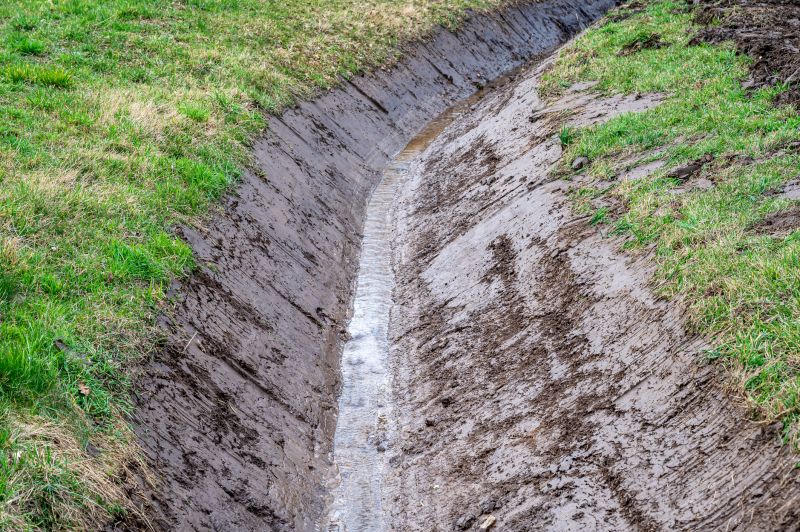
Ditch Digging in Houston, TX
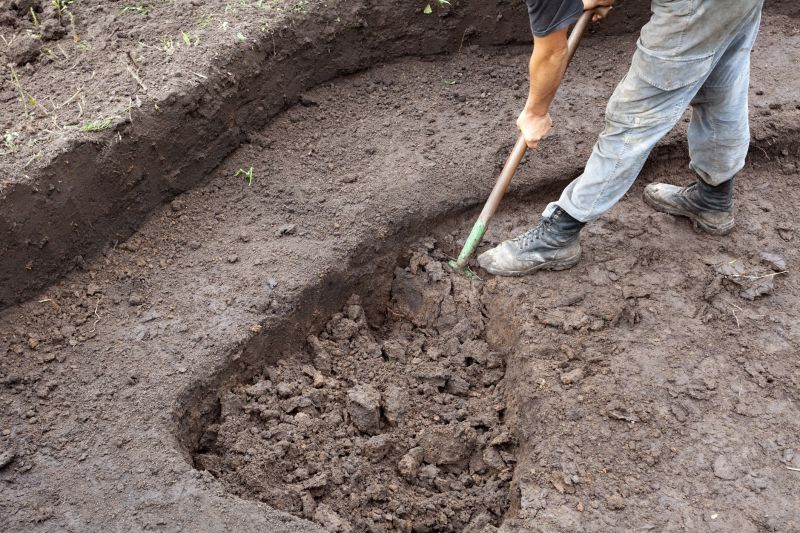
Ditch digging services involve the excavation of trenches or holes in a property’s landscape to facilitate various construction and installation projects. These services are commonly used for installing underground utilities such as water lines, sewer systems, electrical conduits, and sprinkler systems. Homeowners planning to update or add to their property’s infrastructure often request ditch digging to prepare the site for these essential components, ensuring proper placement and accessibility beneath the surface.
Before requesting ditch digging services, property owners should consider the scope of their project, including the length and depth of trenches needed, as well as the location and accessibility of the work area. It’s also important to be aware of existing underground utilities to prevent damage or disruptions. Clear communication about the project’s goals and any potential obstacles can help ensure the excavation process proceeds smoothly and safely.
Many property owners in Houston, TX look into Ditch Digging for repairs, replacements, upgrades, and appearance-related improvements.
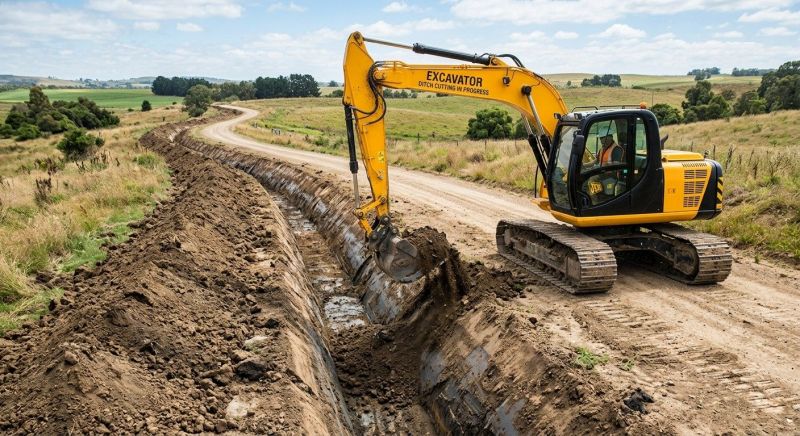
Residential Ditch Digging
Ditch digging is often needed for installing drainage systems, irrigation lines, or utility cables on houston properties.
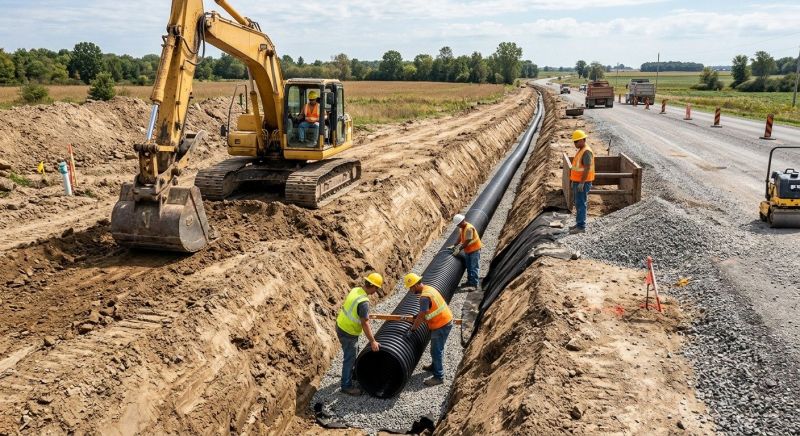
Drainage And Irrigation Projects
Properly dug ditches help manage water flow and support landscape irrigation for houston homes and gardens.
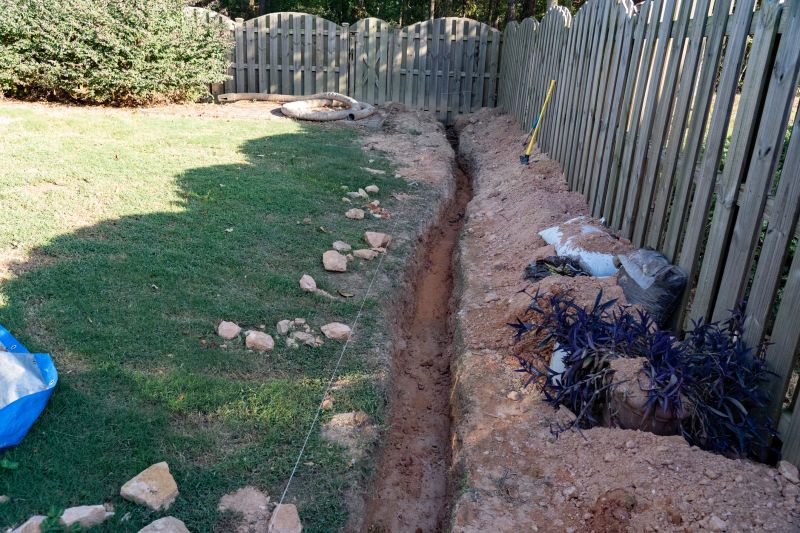
Property Preparation And Maintenance
Ditch digging can prepare land for construction, fencing, or landscape improvements on properties in the houston area.
Ditch Digging in Houston, TX

Ditch digging services involve the excavation of trenches or holes in a property’s landscape to facilitate various construction and installation projects. These services are commonly used for installing underground utilities such as water lines, sewer systems, electrical conduits, and sprinkler systems. Homeowners planning to update or add to their property’s infrastructure often request ditch digging to prepare the site for these essential components, ensuring proper placement and accessibility beneath the surface.
Before requesting ditch digging services, property owners should consider the scope of their project, including the length and depth of trenches needed, as well as the location and accessibility of the work area. It’s also important to be aware of existing underground utilities to prevent damage or disruptions. Clear communication about the project’s goals and any potential obstacles can help ensure the excavation process proceeds smoothly and safely.
Many property owners in Houston, TX look into Ditch Digging for repairs, replacements, upgrades, and appearance-related improvements.
Common Ditch Digging Jobs
Drainage installation - creating proper pathways to direct water away from foundations.
Sewer line replacement - removing damaged or collapsed sewer pipes to restore system function.
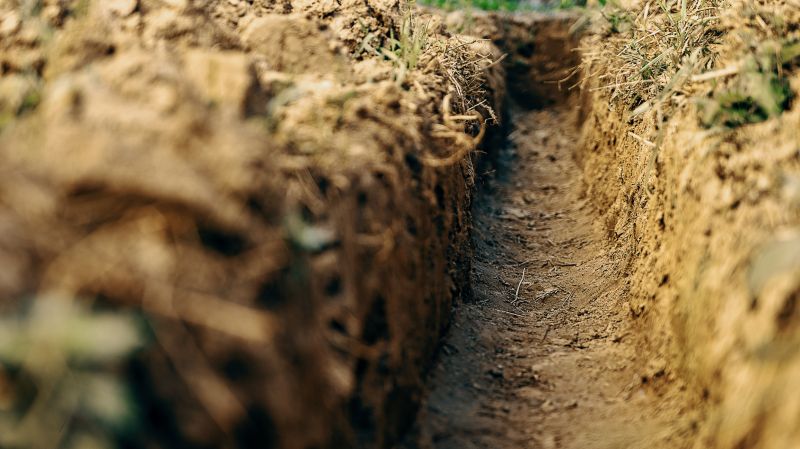
Utility trenching - digging trenches for underground electrical, water, or gas lines.
Landscape drainage solutions - installing underground drains to prevent pooling and erosion.
Foundation drainage upgrades - improving existing systems to protect structures from water damage.
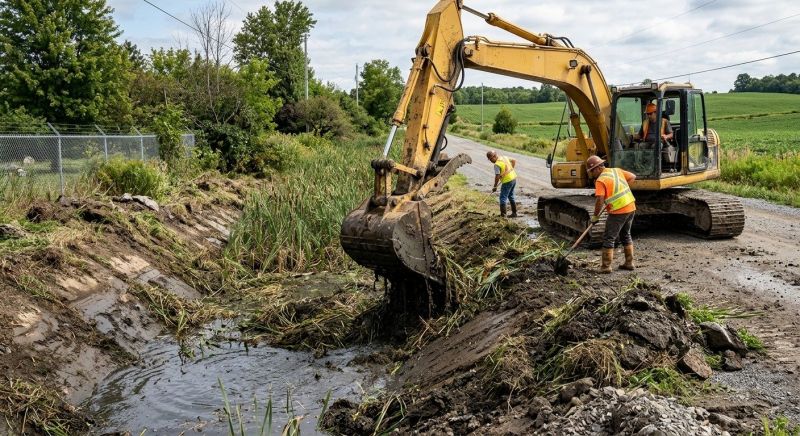
Stormwater management - excavating for retention basins or drainage channels to handle heavy rainfall.
Ditch Digging Questions
What types of projects require ditch digging? Ditch digging is commonly used for drainage systems, utility line installation, and irrigation setups on residential properties.
How deep can a typical ditch be? The depth of a ditch varies based on the project, but it generally ranges from a few inches to several feet deep.
Is it necessary to obtain permits for ditch digging? Permit requirements depend on local regulations and the scope of the project; checking with local authorities is recommended.
What should property owners consider before scheduling ditch digging? It's important to identify underground utilities, check property boundaries, and plan for proper drainage solutions.
Request Ditch Digging in Houston, TX
Use the quote form on this page to share the basics of your project and request more information for the type of work you need.