Dead Tree Removal in Reno, NV
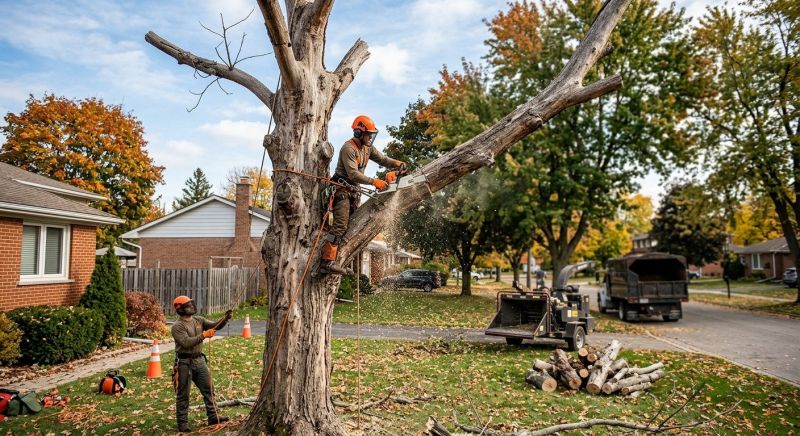
Dead tree removal services involve safely and efficiently removing trees that are dead, decaying, or posing a risk to property and safety. This type of project typically includes assessing the tree’s condition, planning the safest method for removal, and performing the work to prevent damage to surrounding structures, landscapes, or utility lines. Property owners often request this service when a tree has become hazardous due to disease, storm damage, or old age, or when clearance is needed for construction or landscaping projects.
Before requesting dead tree removal, property owners should consider the size and location of the tree, as well as any potential obstacles such as power lines, buildings, or fences. Understanding the extent of the work involved helps in planning the process and ensuring safety. It is also helpful to know if the tree is on private property or near public areas, as this can influence the approach and permits required. Clear communication about these details can facilitate a smooth and efficient removal process.
Many property owners in Reno, NV look into Dead Tree Removal for repairs, replacements, upgrades, and appearance-related improvements.
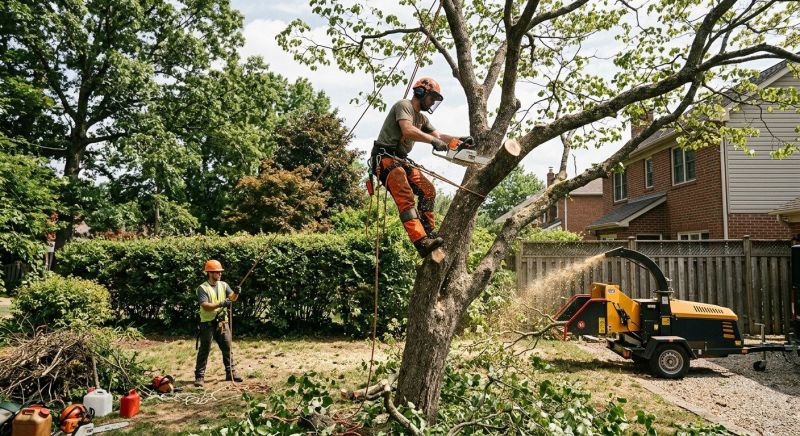
Reasons For Dead Tree Removal
Removing dead trees helps prevent potential hazards and maintains landscape safety.
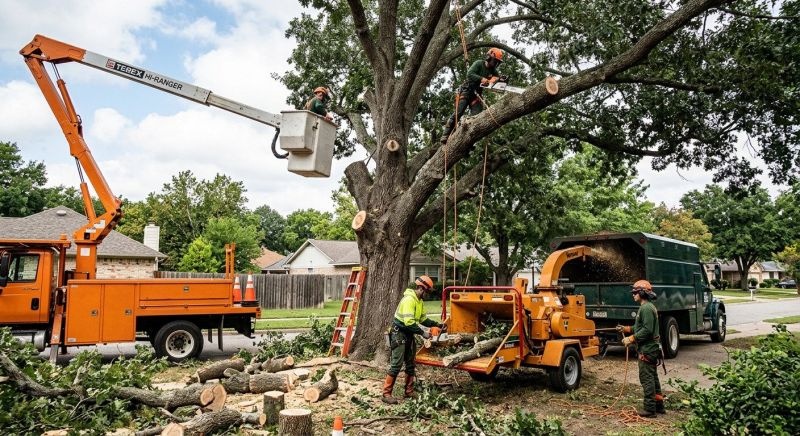
Signs A Tree Needs Removal
Signs include decay, dead branches, or leaning, indicating the need for professional removal.
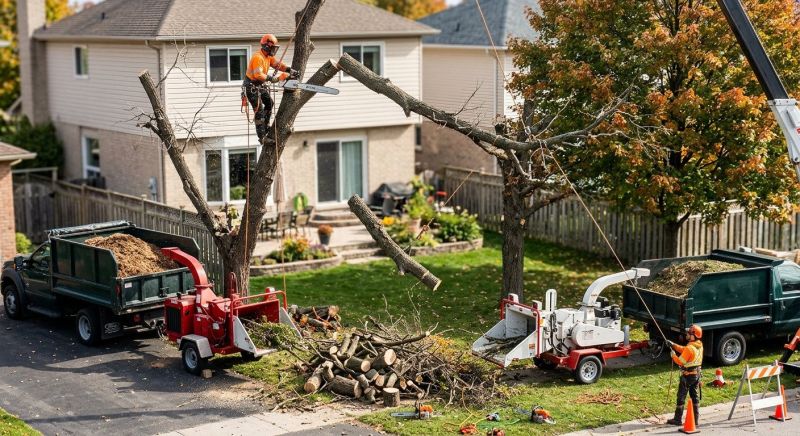
Benefits Of Dead Tree Removal
Removing dead trees enhances property appearance and reduces risks to structures and people.
Dead Tree Removal in Reno, NV
Dead tree removal services involve safely and efficiently removing trees that are dead, decaying, or posing a risk to property and safety. This type of project typically includes assessing the tree’s condition, planning the safest method for removal, and performing the work to prevent damage to surrounding structures, landscapes, or utility lines. Property owners often request this service when a tree has become hazardous due to disease, storm damage, or old age, or when clearance is needed for construction or landscaping projects.
Before requesting dead tree removal, property owners should consider the size and location of the tree, as well as any potential obstacles such as power lines, buildings, or fences. Understanding the extent of the work involved helps in planning the process and ensuring safety. It is also helpful to know if the tree is on private property or near public areas, as this can influence the approach and permits required. Clear communication about these details can facilitate a smooth and efficient removal process.
Many property owners in Reno, NV look into Dead Tree Removal for repairs, replacements, upgrades, and appearance-related improvements.
Common Dead Tree Removal Jobs
Dead Tree Removal - Safe removal of hazardous or decayed trees to protect property and safety.
Stump Grinding - Complete stump removal to prevent regrowth and improve landscape appearance.
Emergency Dead Tree Removal - Immediate service for fallen or dangerously leaning trees after storms.
Tree Debris Cleanup - Clearing fallen branches and debris from yards and driveways.
Selective Tree Removal - Removing specific dead or problematic trees while preserving healthy ones.
Landscape Restoration - Replanting or landscaping after dead tree removal to restore yard aesthetics.
Dead Tree Removal Questions
What is dead tree removal? Dead tree removal involves safely cutting down and removing trees that are no longer living or pose a risk to property.
Why should a dead tree be removed? Removing a dead tree reduces the risk of falling branches or the tree itself causing damage or injury.
What signs indicate a tree may be dead? Signs include lack of leaves, brittle branches, or visible decay in the trunk and limbs.
Is dead tree removal suitable for any tree size? Yes, services can handle trees of various sizes, from small to large, depending on the situation.
Request Dead Tree Removal in Reno, NV
Use the quote form on this page to share the basics of your project and request more information for the type of work you need.